Choosing a safety rail system is about more than checking a box for OSHA compliance.
The right system should help protect your crews, improve productivity, simplify logistics, and deliver a return on investment for years to come.
Unfortunately, not every safety rail system is built for the realities of a construction site. Some require constant maintenance. Others create unnecessary labor or end up in the dumpster after a single project. The best systems are designed to solve problems, not create new ones.
After years of working alongside superintendents, safety professionals, equipment managers, and contractors, we’ve learned there are a handful of qualities that truly separate a great safety rail system from the rest.
Before making your investment, here are seven things to look for.

1. Choose a Safety Rail System That Lasts 15+ Years
Construction equipment doesn’t live an easy life.
Guardrails are constantly moved by forklifts, lifted by cranes, exposed to the weather, and used across multiple projects. If your safety rail system isn’t built for that environment, you’ll spend more time repairing and replacing equipment than using it.
Look for a system built from hot-dip galvanized, construction-grade™ steel designed for repeated, not temporary, use.
Unlike traditional wooden guardrails that are built, torn down, and thrown away, a reusable engineered system should become part of your long-term equipment fleet. With proper care, the Hilmerson Safety Rail System™ is designed to remain in service for 15 years or more, helping contractors maximize their investment year after year.
As one Mortenson superintendent shared,
“I’ve never thrown away a piece of Hilmerson railing. It leaves the job in the same condition as it shows up.”
That’s the difference between buying a product and investing in equipment.
2. Choose a Safety Rail System That Delivers Long-Term ROI
The lowest purchase price doesn’t always result in the lowest overall cost.
When comparing safety rail systems, think beyond the initial investment. Consider the labor required to install and maintain the system, the cost of replacement materials, disposal fees, transportation, storage, and the time spent managing temporary guardrails throughout a project.
A reusable safety rail system should help reduce those recurring expenses.
By replacing traditional wooden guardrails with an engineered reusable system, contractors can reduce labor, eliminate repeated lumber purchases, minimize maintenance, reduce waste, and improve efficiency from project to project.
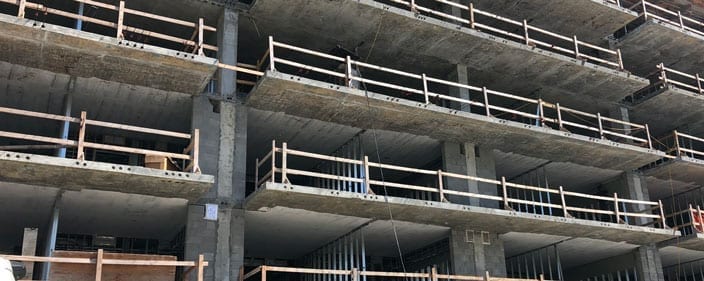
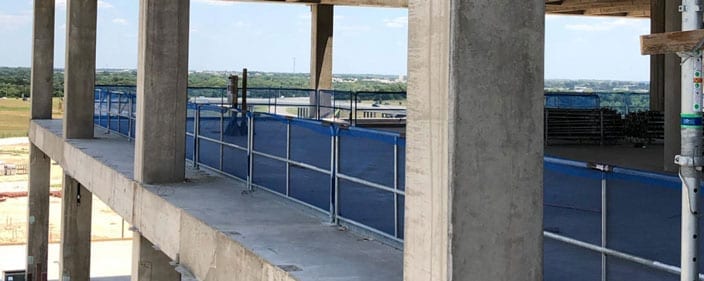
Mortenson reported approximately 60% less labor to install, maintain, and remove the Hilmerson Safety Rail System™ compared to traditional wood guardrails, while also highlighting significantly lower maintenance requirements.
The result is more than labor savings; it’s a long-term return on investment that continues with every deployment.
3. Choose a Safety Rail System That’s Simple to Install
Safety systems should never be complicated.
When installation requires unnecessary parts or complicated assembly, crews are more likely to make mistakes or take shortcuts.
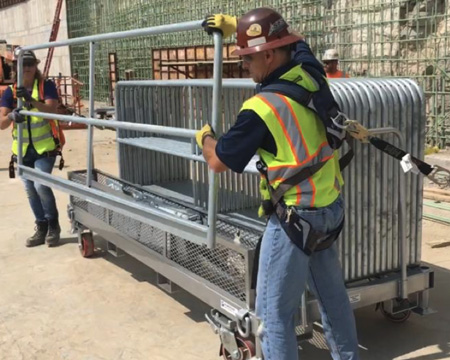
The Hilmerson Safety Rail System™ was intentionally engineered with minimal components, zero mechanical parts, and gravity-locking pins that provide quick visual confirmation of proper installation.
On concrete applications, crews can install approximately 200 linear feet of OSHA-compliant guardrail in under an hour using anchored base plates. For projects where penetration isn’t an option, the same rails can be paired with engineered 70-pound weighted bases.
Simple installation saves time and helps crews install the system correctly and consistently.
Watch how easy it is to install the Hilmerson Safety Rail System
4. Choose a Safety Rail System That Works Across Multiple Applications
Construction projects rarely look the same from one job to the next.
One project may require rooftop protection, while another needs leading-edge protection, bridge safety, floor opening protection, excavation barriers, or elevator shaft protection.
Rather than purchasing multiple specialty systems, look for a safety rail system that can adapt to different environments.
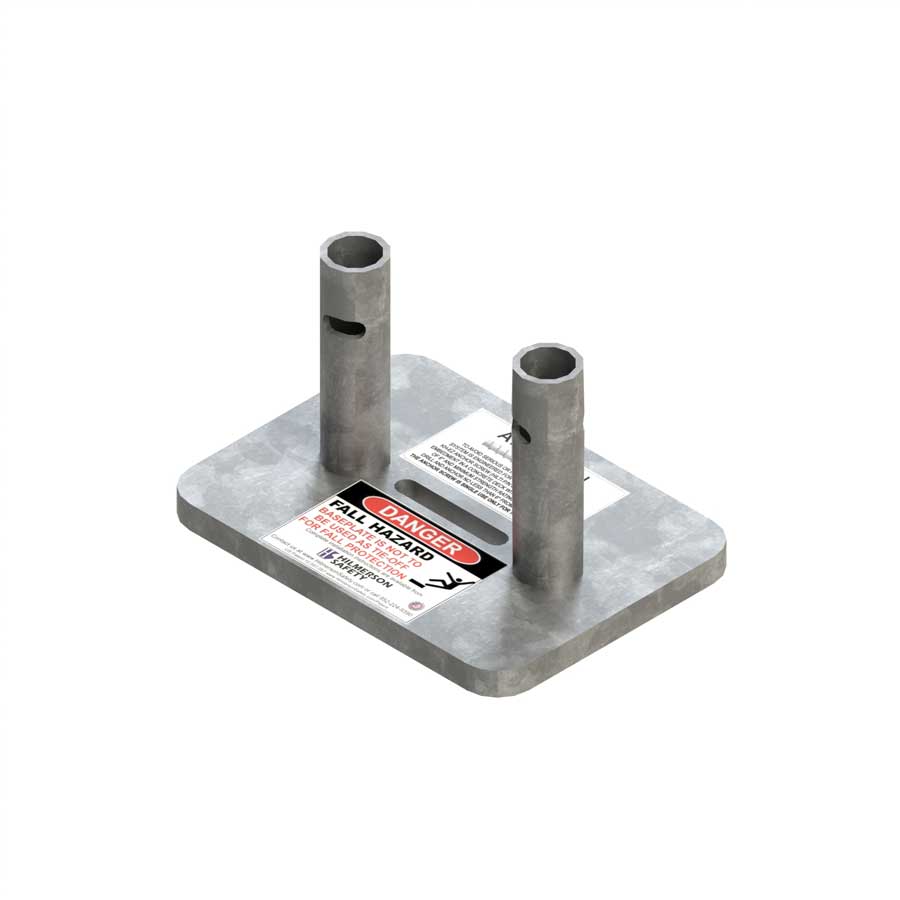
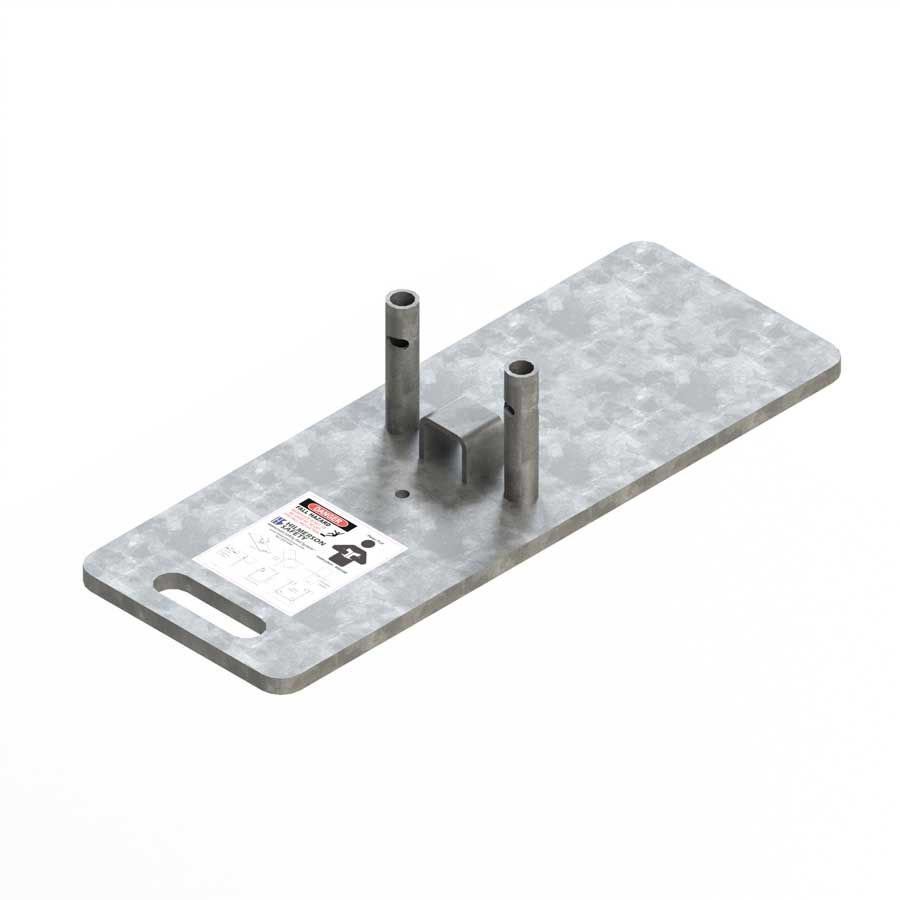
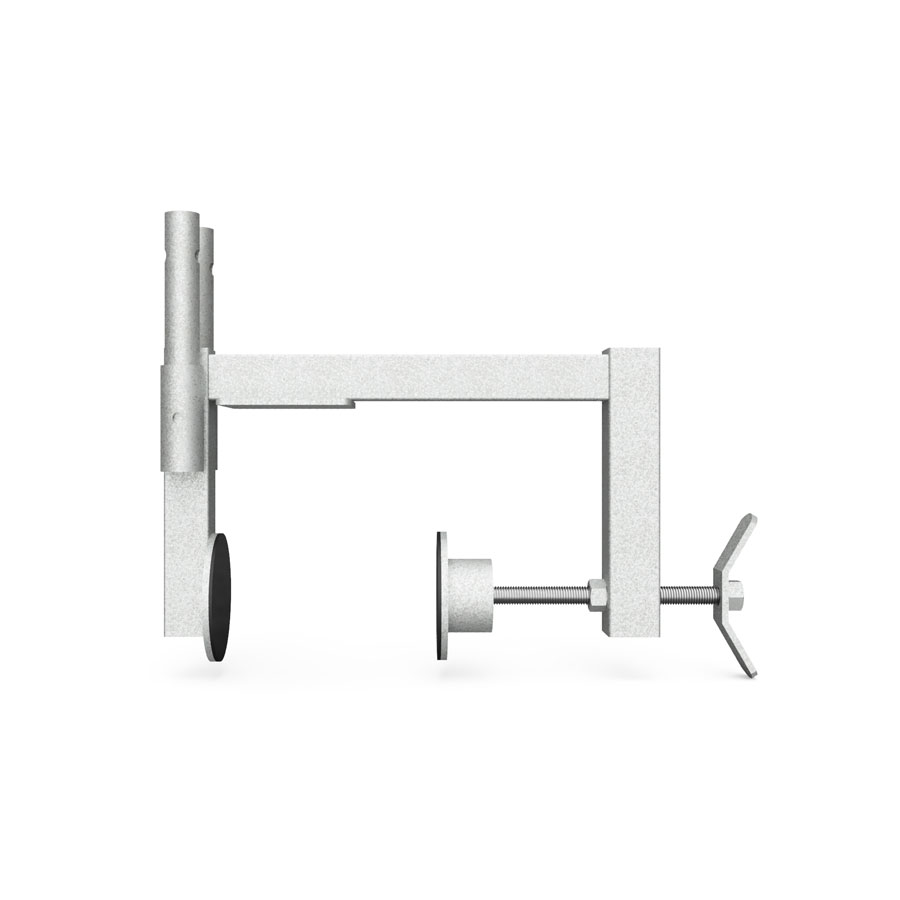
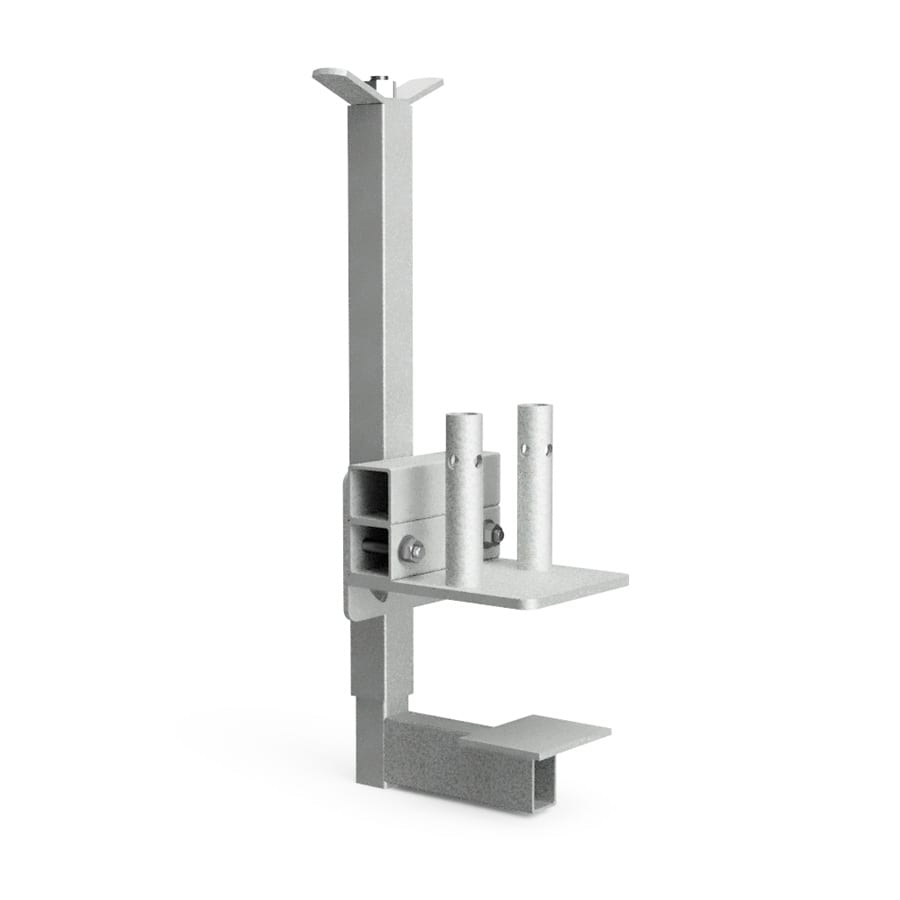
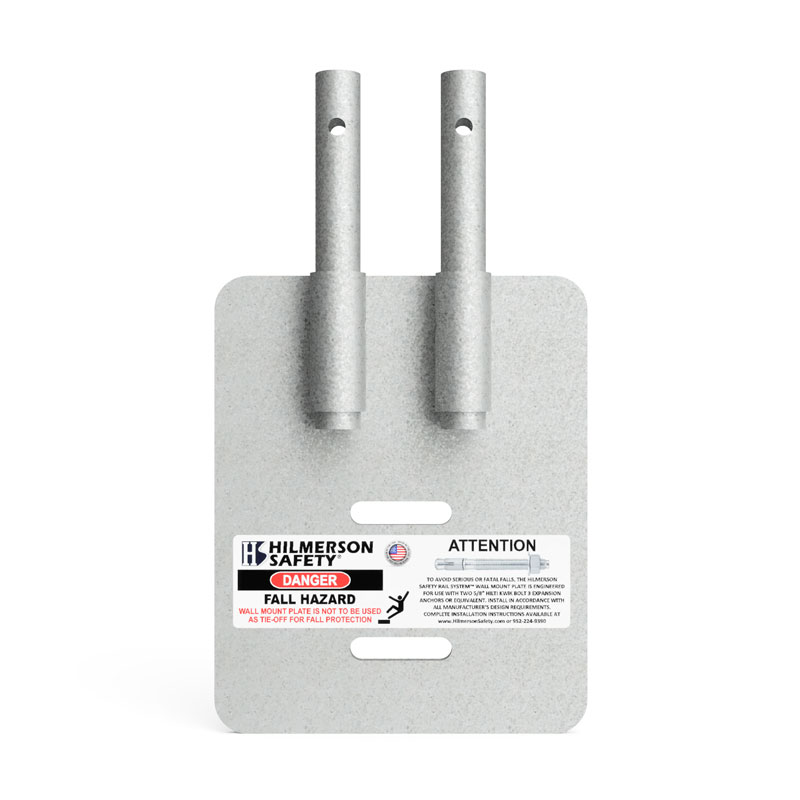
The Hilmerson Safety Rail System™ offers multiple attachment options including anchored base plates, non-penetrating weighted bases, parapet wall clamps, stair and slab grabbers, wall mounts, and sheet piling brackets, allowing contractors to use one trusted system across a wide variety of applications.
Versatility reduces complexity, simplifies training, and helps standardize safety across every project.

5. Choose a Safety Rail System That Simplifies Jobsite Logistics
The best safety rail systems perform well after installation and simplify everything before and after.
Transportation. Storage. Inventory. Deployment. Inspection. Organization.
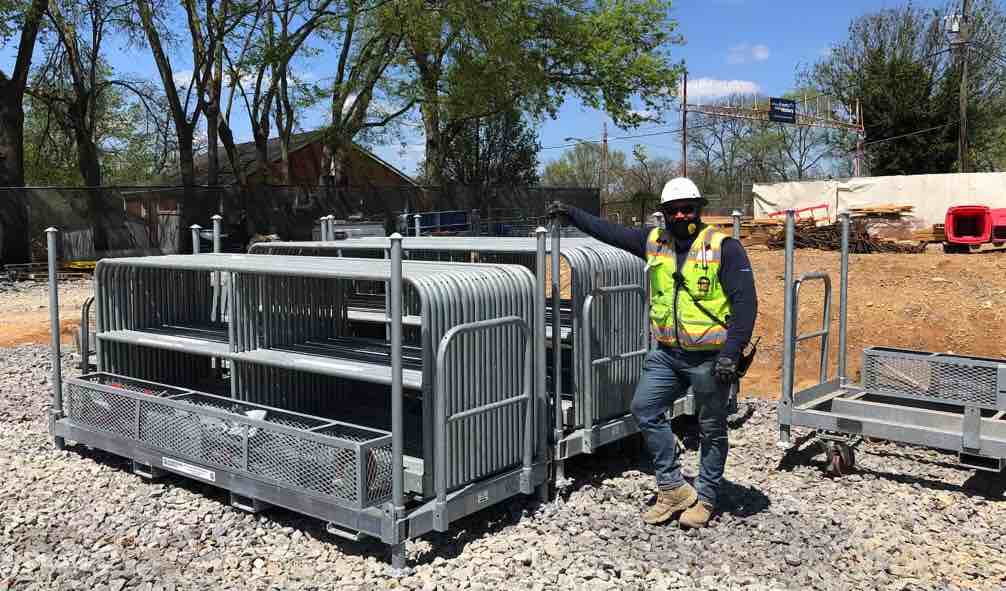
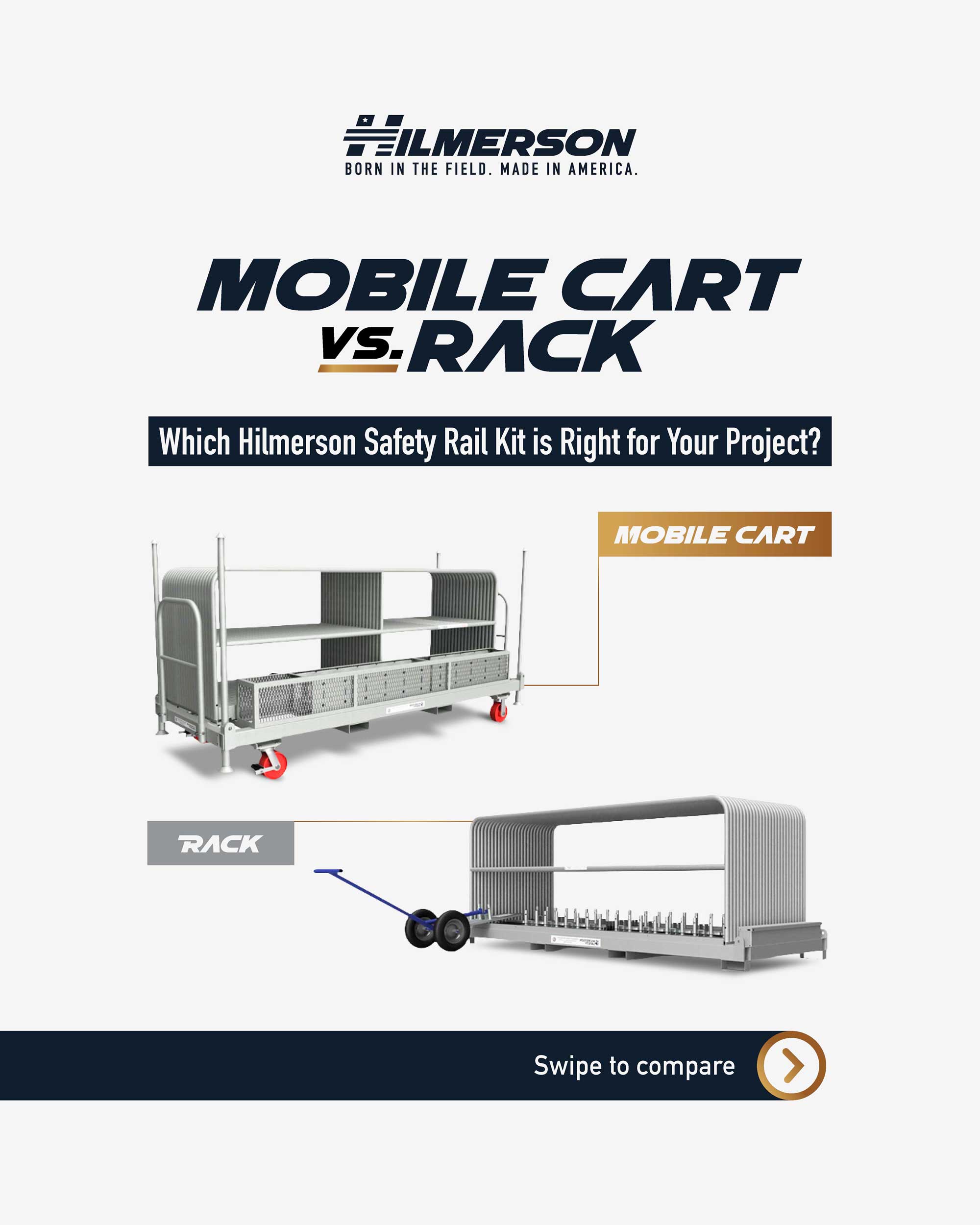
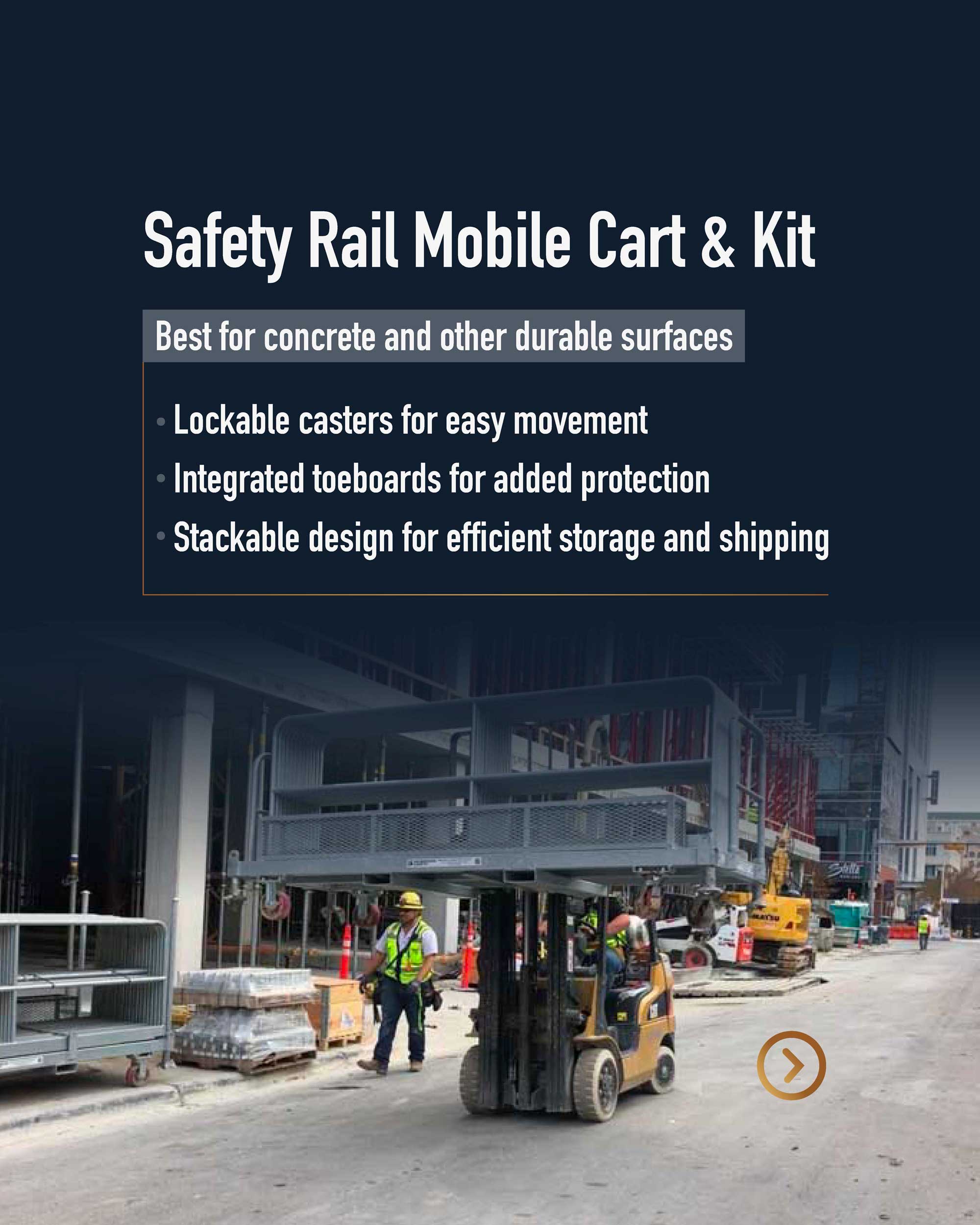
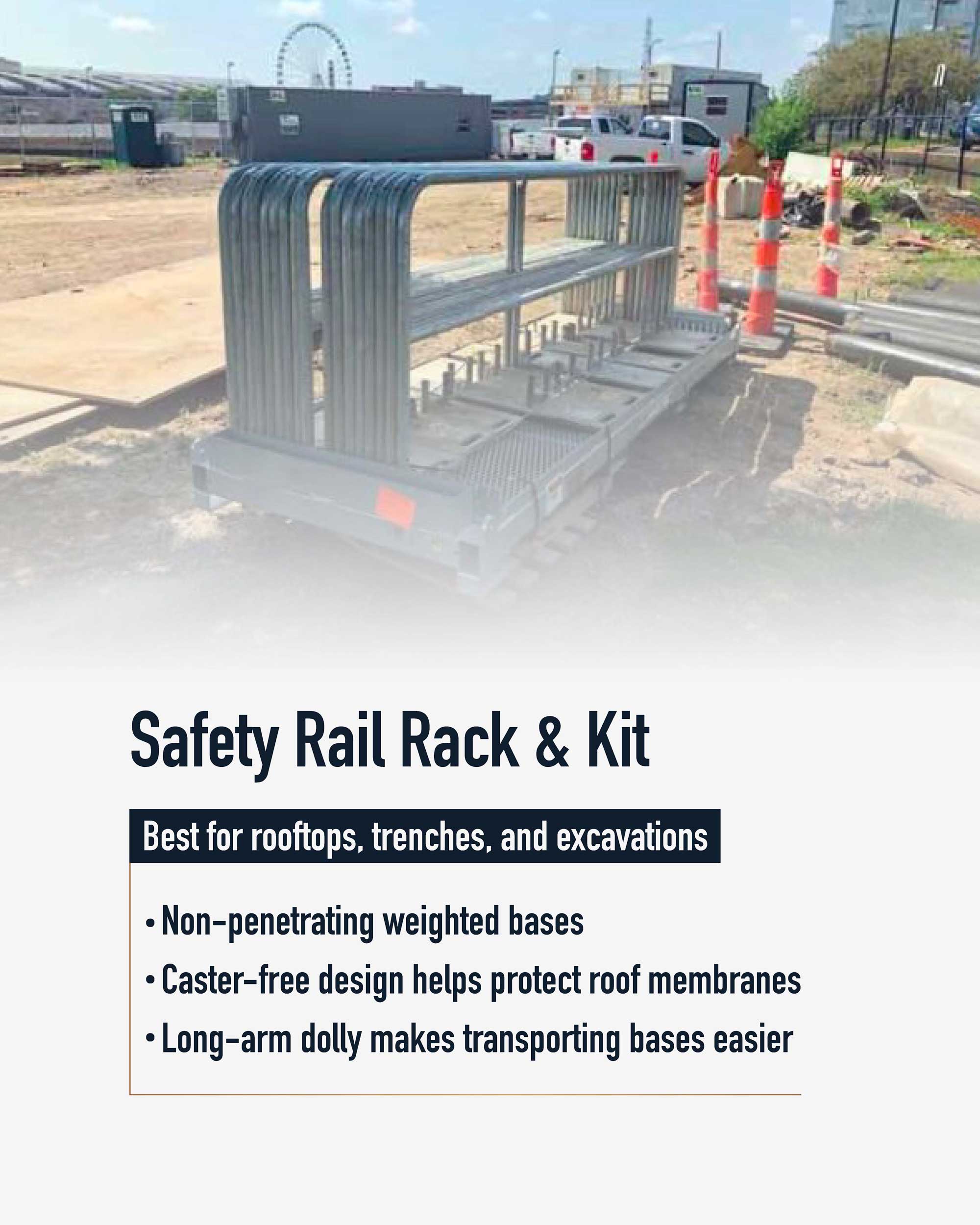
Hilmerson’s Safety Rail Cart & Kit and Rack & Kit were developed with direct input from equipment managers who wanted a better way to manage reusable guardrail systems.
Forklift accessibility, crane pick points, stackable storage, and self-contained kits help contractors move, organize, and deploy guardrails more efficiently while keeping components together from the warehouse to the jobsite and back again.
Good logistics save time every day, not just during installation.
6. Choose a Safety Rail System That Reduces Human Error
Construction safety depends on consistency.
The easier a system is to understand and inspect, the easier it is for crews to use it correctly.
That’s why engineered systems often outperform job-built solutions.
With pre-engineered OSHA-compliant heights, gravity-locking pins, and minimal components, the Hilmerson Safety Rail System™ helps eliminate many of the variables associated with traditional wood guardrails.
Supervisors can quickly verify proper installation, and crews spend less time making adjustments or rebuilding damaged sections.
When safety is simple, it’s easier to get right.
7. Choose a Safety Rail System Designed by Construction Professionals
Some products are designed in an office. Others are designed in the field.
Before developing the Hilmerson Safety Rail System™, our team spent two years talking with superintendents, safety professionals, equipment managers, and tradespeople across the construction industry.
Their feedback was remarkably consistent. They wanted to eliminate wasteful 2×4 guardrails. They wanted something stronger. Simpler.
Reusable. American-made. Easy to transport. Easy to install.
Built for construction.
The Hilmerson Safety Rail System™ wasn’t created to adapt an existing product. It was purpose-built around the real challenges contractors face every day.

The Best Safety Rail System Is One Built for the Field
Every safety rail system is designed to protect workers. The best safety rail systems do much more. They improve productivity. Reduce waste. Simplify logistics. Deliver long-term return on investment.
And stand up to years of demanding construction work.
When evaluating your options, look beyond the purchase price and consider the qualities that will continue adding value long after the first project is complete.
The Hilmerson Safety Rail System™ was built with those qualities in mind, because it was born in the field, shaped by contractor feedback, and engineered to perform where it matters most: on the jobsite.
About Hilmerson Safety
Hilmerson Safety® is a full-service safety product design and manufacturing company serving the construction industry. Since 2001 Hilmerson Safety® has been working with construction industry leaders and contractors to develop safe, lean, construction-grade™ products and solutions that add to the company’s bottom line.
For more information email us or call (952) 239-0125